Maxim Hoekmeijer Test
Beyond diagnostic boundaries
27 juni 2025
Protected: Maxim Hoekmeijer Test
Rijksuniversiteit Groningen
Open Ebook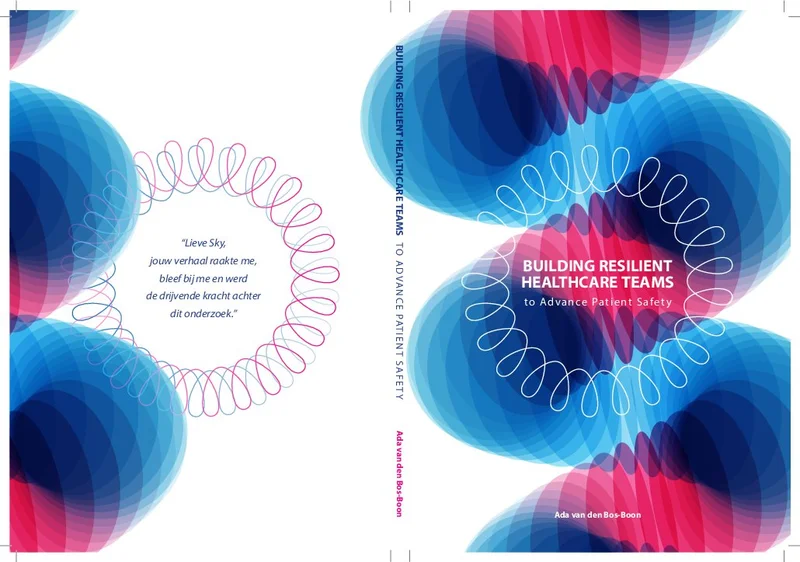
Share this project
Summary
The growing complexity and dynamics of care call for effective collaboration among healthcare professionals. This thesis explores how teamwork can be supported, assessed and permanently embedded in paediatric care to ensure the delivery of safe, high-quality care.
Chapter 2 explores strategies to maintain the impacts of Crew Resource Management (CRM) training in an academic children’s hospital on the long term. Focus groups, observations, and individual interviews suggested that ongoing organizational support from leadership at all levels, a culture of open communication, and periodic training sessions are essential to achieve this– along with reflection at individual, team, and organizational levels. It was concluded that ongoing evaluation and adaptation of teamwork strategies to changing needs of teams are essential. Future research should investigate how organizations can institutionalize effective reflection mechanisms and further tailor CRM to local contexts.
Chapter 3 This chapter introduces the Professional Assessment Tool for Team Improvement (PATTI©), designed to assess the technical and non-technical skills of paediatric intensive care nurses. Developed through multiple phases, PATTI© was shaped and refined with input from expert collaboration to ensure validity and reliability. It was tested in simulated resuscitation scenarios to confirm its effectiveness in assessing nurses’ skills. Beyond measuring skills, PATTI© provides insight into teams’ collaboration and communication, supporting nurses in their professional development. Future research may explore its usefulness in other healthcare settings or professions.
Chapter 4 This chapter explores the Safety Attitudes Questionnaire (SAQ), a tool used by caregivers to assess their work climate across six key areas, including collaboration, safety, and working conditions. The results help identify trends, such as improvements in teamwork or concerns about stress management, while also providing concrete suggestions – such as enhancing communication between doctors and nurses. Organizations are recommended to regularly administering the SAQ to identify areas for improvement and implement targeted improvements. Ultimately, the SAQ not only helps identify problems, but also stimulates strengthening patient safety and team collaboration. Future research may explore its practical application and comparing results across different healthcare settings.
Chapter 5 This chapter examines the impact of simulation-based ‘proficiency checks’ on paediatric intensive care nurses’ cardiopulmonary resuscitation (CPR) skills and non-technical skills, such as leadership. This program consisted of three phases: an e-learning module, a practical assessment of technical skills, and scenario-based exercises where the lead nurse directed a resuscitation team. In addition to measuring performance outcomes, this chapter also explores nurses’ experiences with the proficiency checks, based on interview data. Results showed significant improvements in both CPR performance and teamwork, with 39% of nurses demonstrating substantial improvements. Many nurses reported not only improved skills but also increased confidence in their actions and enhanced team collaboration. However, interviews revealed that the assessment elements induced stress, which, for some nurses, hindered learning. These findings highlight the importance of regular, hands-on training to strengthen both technical and non-technical skills. Future research should focus on the long-term effect of proficiency checks on team functioning in other realistic situations and the role of stress during assessments. Additionally, examining how similar programs can support other healthcare professionals in complex clinical settings could provide valuable insights.
Chapter 6 This chapter examines the use of team training during the COVID-19 pandemic, drawing on insights obtained from surveys among teamwork experts. The survey results highlight that flexibility, adaptability, and proactive communication are essential in crisis situations. Lessons from this study suggest that future training should focus on resilience and adaptability. Healthcare organizations can improve their crisis preparedness by focusing teamwork training not only on adaptive capacity, but also on proactive collaboration The pandemic has renewed global attention for collaboration and communication within teams in healthcare.
Overarching Implications. The findings of this thesis highlight that the vital role of teamwork in ensuring safe, high-quality care. Healthcare organizations can benefit from:
• Integrating teamwork training into daily care practices.
• Using validated tools such as PATTI©, or adapting/developing similar tools, to continuously assess team skills.
• Fostering culture change and implementing evaluation mechanisms at all levels.
• Utilizing simulations to optimize teamwork strategies.
Protected: Maxim Hoekmeijer Test